Why Sovereign Cloud Is No Longer Optional
Digital sovereignty has moved from a niche concern to a core requirement for enterprises operating across borders, regulated industries, and complex supply chains. The Forrester Wave™: Sovereign Cloud Platforms, Q2 2026, just named Microsoft a Leader — and the evaluation reveals a critical shift: sovereignty is not about isolation, but about consistent control across multiple environments.
This recognition reflects Microsoft’s long-term investment in helping organizations adopt cloud and AI without compromising on compliance, operational independence, or innovation. But what does this mean for your infrastructure decisions?
For more context on how cloud disruptions are reshaping enterprise strategy, check out our analysis of Q1 2026 internet disruptions and infrastructure trends.

The Platform Approach: Public, Private, and Partner-Operated
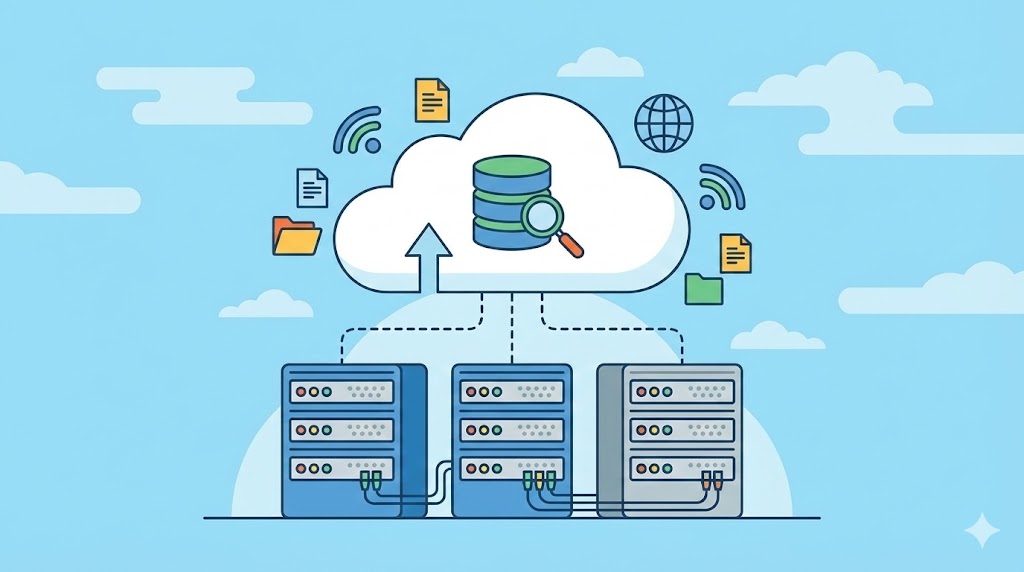
Forrester’s research highlights a key reality: there is no single deployment model that fits every sovereignty requirement. Instead, organizations combine public cloud, private cloud, and disconnected environments to balance risk, regulations, functionality, and cost.
Microsoft’s sovereign capabilities are available consistently across:
- Public cloud with data residency and access controls (e.g., EU Data Boundary)
- Private cloud with hybrid deployments via Azure Local and consistent policy management via Azure Arc
- Partner-operated national clouds (e.g., Bleu, Delos Cloud) where infrastructure is independently owned and operated
This platform approach allows organizations to grow their sovereign IT posture over time — adapting to evolving regulatory, operational, or geopolitical conditions without abandoning the Microsoft ecosystem.
Kubernetes and Container Consistency
One of the key differentiators Forrester calls out is Microsoft’s ability to run Kubernetes clusters consistently across sovereign public and private cloud — even in disconnected environments — using Azure Arc and infrastructure-as-code tooling. This means you can:
- Operate and secure workloads the same way everywhere
- Maintain development and operational standards
- Avoid fragmenting teams, tools, and processes
# Example: Deploy a Kubernetes cluster on Azure Local with Azure Arc
az connectedk8s connect --name my-cluster --resource-group my-rg
az k8s-extension create --cluster-name my-cluster \
  --resource-group my-rg \
  --cluster-type connectedClusters \
  --extension-type microsoft.azuredefender.kubernetes
This consistency is a game-changer for regulated industries like finance, healthcare, and government.

Limitations and Considerations
While Microsoft’s platform approach is strong, it’s not without challenges:
- Complexity of multi-environment management: Even with Azure Arc, maintaining parity across public, private, and disconnected clouds requires significant operational maturity.
- Cost: Sovereignty controls — especially partner-operated clouds — can increase total cost of ownership.
- Vendor lock-in risk: Deep integration with Microsoft’s ecosystem may make it harder to switch providers later.
- Evolving regulations: Sovereignty requirements vary by region and are constantly changing; what works today may need re-architecting tomorrow.
What’s Next: AI and Advanced Services
Forrester notes that customers don’t “buy” sovereignty as a standalone product — they architect for it over time. Microsoft is investing in:
- Advanced AI development and runtime capabilities within sovereign boundaries
- Increasing consistency and parity across all deployment models
- Supporting customers as sovereignty requirements mature
If you’re planning your sovereign cloud roadmap, start by auditing your current workloads against regulatory requirements, then map them to the appropriate deployment model. The platform approach lets you start small and scale — but only if you design for consistency from day one.
Conclusion: A Leader Worth Watching
Microsoft’s recognition as a Leader in the Forrester Wave for Sovereign Cloud Platforms is a validation of its platform-first strategy. For developers and architects, the takeaway is clear: sovereignty is not a checkbox — it’s an architectural principle that must be woven into your cloud strategy from the start.
For a deeper dive into how open-source communities are shaping the future of cloud infrastructure, see our piece on The React Foundation Launching Under the Linux Foundation.
Recommended Next Steps
- Audit your current cloud deployments for sovereignty gaps
- Evaluate Azure Arc for consistent policy management across environments
- Prototype a disconnected Kubernetes cluster using Azure Local
- Stay updated on evolving regulations in your target regions