The Big Picture: A Quarter of Unprecedented Disruptions
The first quarter of 2026 will be remembered as a turning point in internet resilience. Cloudflare Radar recorded an unusually high number of severe and prolonged outages, driven by a combination of political control, infrastructure fragility, and even direct military action against cloud infrastructure.
Key themes that emerged:
- Government-directed shutdowns dominated, with Uganda and Iran experiencing prolonged blackouts during elections and military escalations.
- Power grid failures crippled connectivity in Cuba (three national grid collapses in one month), Paraguay, and the Dominican Republic.
- Military conflict directly damaged AWS data centers in the Middle East, marking a dangerous escalation for cloud-dependent businesses.
- Natural disasters like Storm Kristin in Portugal caused cascading power and internet outages lasting weeks.
This isn't just a list of isolated incidents—it's a pattern that demands new thinking about redundancy, backup connectivity, and geopolitical risk in infrastructure planning.
For a deeper look at how to build more resilient systems, check out our guide on Building the Perfect Pie Chart in CSS: A Semantic and Accessible Approach.
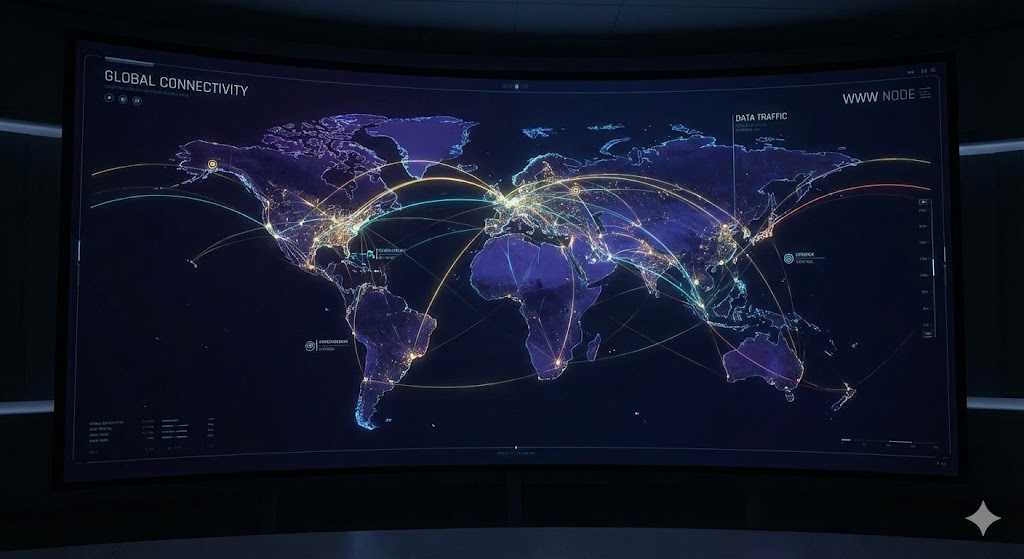
Deep Dive: Government-Directed Shutdowns
The most striking trend was the use of internet blackouts as a political tool.
Uganda: Pre-Election Blackout
On January 13, Ugandan authorities ordered a nationwide internet shutdown ahead of the January 15 presidential election. Traffic at the Uganda Internet Exchange Point dropped from ~72 Gbps to 1 Gbps. Connectivity was partially restored on January 17 after President Museveni was declared winner, with full restoration on January 26.
Key takeaway: Despite promises that the 2021 scenario wouldn't repeat, the shutdown was swift and comprehensive. Digital rights organizations like CIPESA criticized the move.
Iran: Two Shutdowns, One Long-Term Blackout
Iran experienced two nationwide shutdowns in Q1 2026. The first began January 8 and lasted through late January. The second began February 28 amid escalating military strikes and remained largely in place through the end of the quarter.
Technical observation: During the first shutdown, a near-complete loss of announced IPv6 address space occurred hours before traffic dropped—a potential leading indicator. The second shutdown was achieved through aggressive filtering (whitelists and white SIM cards), not route withdrawals.
Why this matters: These shutdowns are among the longest sustained disruptions in recent years, demonstrating how determined regimes can effectively isolate their populations.
Republic of Congo: Election-Time Shutdown
On March 15, during a presidential election, internet traffic dropped to near zero for ~60 hours. No official explanation was given, but similar shutdowns occurred during the 2021 and 2016 elections.
Infrastructure Collapse and Military Conflict
Cuba: Three National Grid Collapses in One Month
Cuba's electrical infrastructure is in severe crisis. Three separate collapses of the National Electric System occurred in March:
- March 4: Cascading failure from Camagüey, traffic dropped ~50%, recovered in ~17 hours.
- March 16: Full disconnection, traffic dropped ~65%, recovery took over 30 hours.
- March 21: Another collapse, traffic dropped ~77%, recovery took ~27 hours.
The lesson: When the power grid fails, the internet fails with it—no amount of network redundancy can compensate for a lack of electricity.
AWS Data Centers Under Fire
On March 1, drone strikes hit Amazon Web Services data centers in the UAE and Bahrain. Two facilities in the UAE were directly struck, and a facility in Bahrain was damaged by a nearby strike. Cloudflare observed elevated connection failure rates for days afterward. Amazon acknowledged structural damage, power disruption, and water damage from fire suppression.
This is unprecedented: Physical damage to hyperscaler cloud infrastructure from active military conflict introduces a new category of risk for any business relying on cloud regions in geopolitically unstable areas.
What you can do: Implement multi-region failover strategies, regularly test disaster recovery plans, and consider geopolitical risk when choosing cloud regions.
For more on scaling infrastructure securely, read How WhatsApp Scaled Rust for Billions: A Deep Dive into Memory-Safe Media Processing.

Conclusions and Actionable Insights
The New Normal
Internet disruptions are no longer just technical problems—they are geopolitical, infrastructural, and increasingly physical. The Q1 2026 data from Cloudflare Radar paints a clear picture:
- Government shutdowns are becoming more sophisticated (filtering vs. route withdrawal).
- Power grid fragility is a first-order threat to connectivity.
- Military conflict now directly threatens cloud infrastructure.
What You Can Do
- Diversify your cloud regions—don't put all your eggs in one geopolitical basket.
- Monitor leading indicators like BGP announcements and IPv6 address space changes.
- Plan for extended outages—a 30-hour blackout in Cuba isn't a blip, it's a pattern.
- Invest in offline-capable architectures (PWA, local-first sync) for critical applications.
Limitations and Caveats
- Cloudflare Radar data may not capture all disruptions, especially in regions with limited Cloudflare presence.
- The report is observational, not causal—correlation doesn't always equal causation.
- Some disruptions may have multiple contributing factors not fully documented.
Next Steps for Learning
- Explore the Cloudflare Radar Outage Center for real-time monitoring.
- Study BGP hijacking and route leak prevention to understand how routing-based attacks work.
- Learn about local-first architecture patterns for building resilient applications.