
Meta's Ray-Ban Display represents a significant leap in wearable AI, packing advanced capabilities into a classic form factor. This article explores the behind-the-scenes engineering hurdles—from invisible display technology to novel interaction models—that the team had to overcome. You can find the source material on the Meta Engineering Blog.
Innovating the Invisible Display
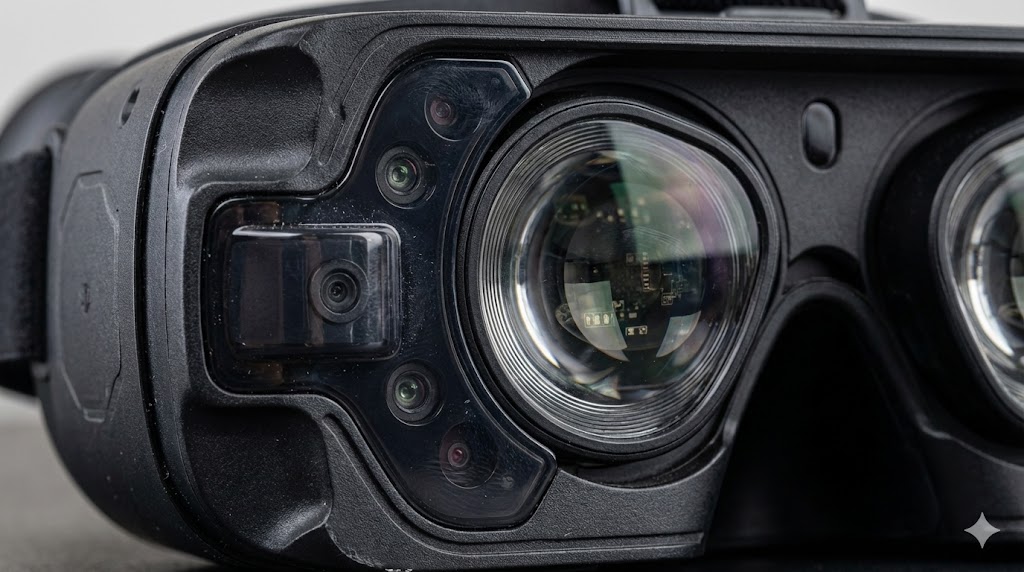
One of the foremost challenges was creating a display that is visible only to the wearer. This required pioneering work in miniaturized projection systems and special optical coatings to seamlessly integrate technology into the lenses. Interestingly, problem-solving approaches from particle physics experiments even provided inspiration for tackling complex hardware integration issues.
| Challenge | Engineering Approach | Key Outcome |
|---|---|---|
| Form & Function Balance | Packing high-density electronics while preserving Ray-Ban's iconic design | Achieved a wearable that feels like a fashion accessory first |
| Emerging UI/UX Patterns | Developing multimodal interactions (voice, touch, head gestures) | Enabled context-aware, intuitive control |
| Thermal & Power Management | Optimizing AI chip efficiency and passive cooling design | Delivered practical all-day battery life |
Celebrating Incremental Wins in a Fast-Paced Culture
The podcast highlights the importance of celebrating small victories in a long-term, complex project. Acknowledging each milestone helped maintain team morale and momentum throughout the arduous development journey.
 The story of the Ray-Ban Display is more than a product launch; it's a blueprint for the future of wearable computing. It underscores the trifecta of modern device creation: pushing physical hardware limits, redefining user experience, and fostering a resilient team culture. For engineers working at the intersection of hardware and software, the lessons learned here—on integration, innovation, and iteration—offer valuable insights for the next generation of AI-powered wearables.