The global agricultural supply chain is a web of complexity. From the farmer planting seeds to the consumer buying a t-shirt, countless intermediaries, manual processes, and data silos obscure the journey. This opacity makes it nearly impossible to verify claims of sustainability, ensure fair pay for farmers, or accurately measure environmental impact. Consumer demand for transparency is soaring, yet the technical hurdles—legacy systems, poor rural connectivity, and lack of data standardization—are significant.
This is where blockchain technology steps in, not as a speculative cryptocurrency tool, but as a practical framework for immutable record-keeping and trust. A recent implementation by BASF Agricultural Solutions, in partnership with AWS and Infosys, demonstrates its potent application. By leveraging Amazon Managed Blockchain, they've created a system that tokenizes the cotton value chain, turning physical agricultural processes into transparent, verifiable digital assets. This post breaks down this innovative approach, its architecture, and its implications for the future of sustainable agriculture. You can review the detailed project overview in the original AWS Architecture Blog post.
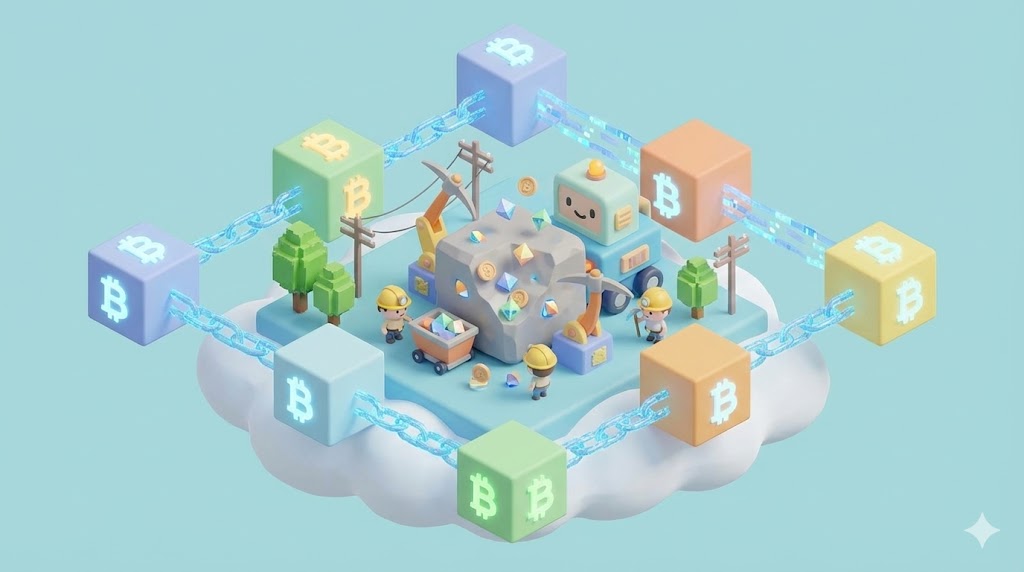
Core Architecture: Building on Amazon Managed Blockchain
The solution avoids the heavy lift of managing raw blockchain infrastructure by using Amazon Managed Blockchain (based on Hyperledger Fabric). This managed service provides the core components: peers that run smart contracts, an ordering service for consensus, and a Fabric CA for identity management.
The real power lies in how AWS services extend this blockchain core into a full-fledged, scalable application:
- Off-Chain Data & Processing: Blockchain ledgers aren't optimized for complex queries. The solution uses Amazon OpenSearch Service as a synchronized off-chain data store. A custom block listener, hosted on AWS Fargate, watches for new blocks and updates OpenSearch, enabling rich analytics and dashboards.
- Serverless Middleware: Business logic and APIs are implemented as AWS Lambda functions, ensuring automatic scaling and cost-efficiency. These functions act as the bridge between user applications and the blockchain.
- Security & Access: Amazon Cognito manages user onboarding for value chain partners and consumers. AWS Secrets Manager securely handles the cryptographic identities needed to sign blockchain transactions.
- Event-Driven Communication: Amazon SNS (Simple Notification Service) connects components asynchronously, making the system resilient and loosely coupled.
This architecture is deliberately extensible. It can integrate with external data sources like Salesforce, IoT sensors in fields, or third-party certification databases, making it a platform rather than a single-point solution.
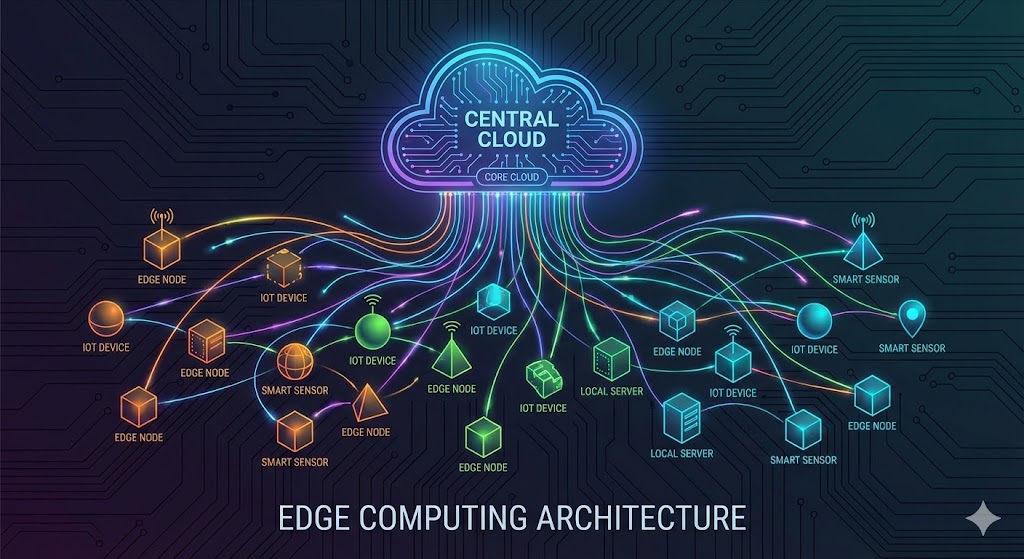
From Concept to Impact: How Tokenization Drives Change
The system moves beyond simple tracking to active incentivization through tokenization. Here’s how it creates a positive feedback loop for sustainability:
| Mechanism | How It Works | Real-World Impact |
|---|---|---|
| Immutable Record-Keeping | Every step (planting, irrigation, harvest, ginning) is recorded as a tamper-proof block. | Eliminates fraud in organic/sustainability certifications. Provides a reliable audit trail. |
| Smart Contracts | Auto-execute agreements. E.g., a contract releases payment to a farmer once a verified sustainability KPI (like reduced water use) is met. | Ensures fair, timely compensation. Automates compliance, reducing administrative overhead. |
| Digital Assets & Tokens | Sustainable practices (e.g., carbon sequestered) are minted into digital tokens (like carbon credits). | Creates new revenue streams for farmers. Allows brands to purchase and offset their footprint credibly. |
| DAO Interface | A Decentralized Autonomous Organization (DAO) structure lets stakeholders govern KPIs and validation rules. | Democratizes decision-making in the supply chain. Aligns incentives across farmers, brands, and NGOs. |
This model flips the script. Instead of sustainability being a cost center, it becomes a value-generating asset. Farmers are directly rewarded for eco-friendly practices, and brands get verifiable proof to share with conscious consumers.
Limitations and Considerations:
- Adoption Hurdle: Success depends on onboarding numerous, often tech-averse, stakeholders across the globe. User experience must be dead simple.
- Data Integrity Garbage In, Garbage Out: The blockchain guarantees the data isn't altered, but it can't guarantee the initial data (e.g., water usage logged by a farmer) is accurate. IoT sensor integration is crucial to automate data entry.
- Cost and Complexity: While managed services reduce overhead, designing and maintaining such a system requires significant expertise in both blockchain and cloud architecture, as seen in other large-scale tech implementations like WhatsApp's scaling of Rust for secure media processing.
The Road Ahead for Tech-Driven Sustainability
This BASF-AWS case study is a compelling blueprint. It shows blockchain's potential not in abstract terms, but as a working system solving concrete problems: traceability, fair compensation, and environmental accountability. The use of a permissioned blockchain like Hyperledger Fabric via Amazon Managed Blockchain is key—it provides the necessary privacy and control for business ecosystems, unlike public, permissionless chains.
Your Next Steps:
- Evaluate Your Value Chain: Where are the biggest opacities or trust gaps? Could immutable logging of events build trust with your customers or partners?
- Start with a Pilot: Focus on a single, high-impact process (e.g., provenance of a premium product line) rather than a full supply chain overhaul.
- Think Platform, Not Point Solution: Design for extensibility from day one, allowing new data sources and use cases to plug in, much like how modern development frameworks evolve to incorporate new paradigms, similar to the feature expansions discussed in analyses of major Python releases.
The convergence of cloud computing, blockchain, and IoT is building the digital infrastructure for a more transparent and sustainable economy. The question is no longer if this technology will reshape industries like agriculture, but how quickly and how broadly it will be adopted. The tools, as demonstrated, are already here.