Why Grok Build 0.1 Matters for Agentic Coding
The AI landscape is rapidly evolving, and the release of Grok Build 0.1 on Vercel's AI Gateway marks a significant step forward for developers building agentic coding applications. This beta model, designed for agentic coding tasks, is now available in early access and powers the Grok Build CLI app. By leveraging the AI Gateway, developers can seamlessly integrate this powerful model into their workflows, benefiting from a unified API that simplifies model management.
But what exactly is agentic coding, and why is this release so important? Agentic coding refers to AI systems that can autonomously handle coding tasks—like refactoring, testing, and even debugging—without constant human intervention. Grok Build 0.1 is built for this purpose, and its availability on Vercel's platform makes it more accessible than ever.
Getting Started with Grok Build 0.1
Integrating Grok Build 0.1 is straightforward, especially if you're already using the AI SDK. Simply set the model to xai/grok-build-0.1 and start streaming responses. Here's a quick example:
import { streamText } from 'ai';

const result = streamText({
  model: 'xai/grok-build-0.1',
  prompt: 'Refactor this module to use async/await and add tests.',
});
This code snippet demonstrates how to invoke the model with a coding task. The AI Gateway handles the rest, including retries, failover, and performance optimizations, ensuring higher-than-provider uptime. You can also track usage and cost, and even bring your own key (BYOK) for added flexibility.
Key Features and Benefits
- Unified API: Call multiple models through a single interface, simplifying your codebase.
- Intelligent Provider Routing: Automatically routes requests to the best available provider, with automatic retries.
- Observability and Reporting: Built-in custom reporting and observability tools help you monitor performance.
- Model Playground: Try Grok Build 0.1 and other models in the playground before integrating.
These features make the AI Gateway a robust choice for production workloads, especially when dealing with multiple AI providers.
Limitations and Considerations
While Grok Build 0.1 is powerful, it's important to note its limitations. Reasoning effort is not configurable, meaning you have less control over the model's thought process. Additionally, there is no non-reasoning mode, which might be a drawback for simpler tasks where a quick response is preferred. As a beta model, you should also expect occasional hiccups and be prepared to handle errors gracefully.
Next Steps and Learning Path
To get the most out of Grok Build 0.1, start by experimenting in the model playground and exploring the AI Gateway's features. Then, gradually integrate it into your agentic coding workflows, starting with simple tasks like code refactoring before moving to more complex scenarios. Keep an eye on the AI Gateway model leaderboard to see how Grok Build 0.1 compares to other models.
For a deeper dive into AI agent interactions, check out our insights on Cloudflare's Agent Lee and the ethical considerations of AI systems in our article on AI whistleblowing.
Conclusion
Grok Build 0.1 on Vercel AI Gateway represents a significant advancement in agentic coding. By leveraging the unified API and robust features of the AI Gateway, developers can build more efficient and reliable AI-powered coding tools. While it's still in beta, the potential is enormous, and now is the perfect time to start exploring.
함께 보면 좋은 글
- Beyond the Chatbot: How Cloudflare's Agent Lee Redefines Platform Interaction
- We Should Train AI to Betray Its Users — Here's Why That's Actually Safer
Deep Dive: AI Gateway's Technical Architecture
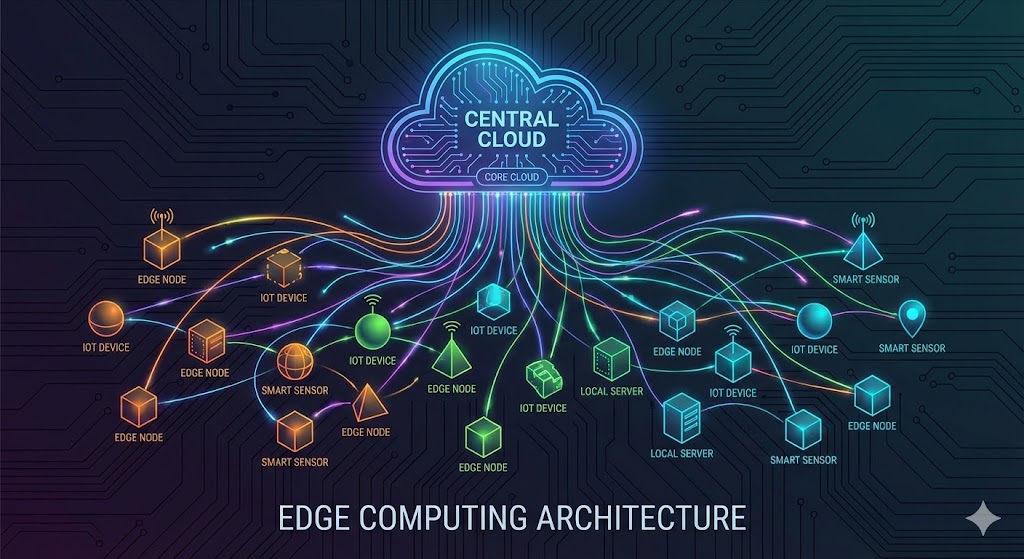
The Vercel AI Gateway is more than just a proxy; it's a comprehensive solution for managing AI interactions. It provides a unified API that abstracts away the complexities of dealing with multiple providers, offering features like:
- Retries and Failover: Automatically retries failed requests and switches providers if one is down.
- Performance Optimization: Optimizes request routing for lower latency and higher throughput.
- Custom Reporting: Track usage, cost, and performance metrics tailored to your needs.
This architecture is particularly beneficial for agentic coding, where reliability and speed are critical. For instance, if a request to Grok Build 0.1 fails, the gateway can automatically retry or route to a backup model, ensuring your coding agent keeps running smoothly.
Example: Handling Errors with AI Gateway
import { streamText } from 'ai';

// The AI Gateway automatically handles retries and failover
const result = streamText({
  model: 'xai/grok-build-0.1',
  prompt: 'Generate unit tests for the authentication module.',
});
In this example, you don't need to worry about error handling—the gateway takes care of it. This allows you to focus on building your application logic.
Practical Tips for Using Grok Build 0.1
- Start Small: Begin with simple tasks like code generation or refactoring to understand the model's behavior.
- Monitor Performance: Use the AI Gateway's observability tools to track latency and cost.
- Combine with Other Models: Use Grok Build 0.1 for complex reasoning tasks and faster models for simple queries.
By following these tips, you can maximize the efficiency of your agentic coding workflows.
Limitations and Considerations (Expanded)
While Grok Build 0.1 is a powerful tool, it's essential to understand its constraints:
- Non-configurable Reasoning Effort: You cannot adjust how much the model reasons before responding. This might lead to overthinking on trivial tasks or underthinking on complex ones.
- No Non-reasoning Mode: Unlike some models, you cannot disable reasoning entirely, which could impact performance for simple prompts.
- Beta Stage: As a beta model, it may have bugs or unexpected behavior. Always test thoroughly in a staging environment.
These limitations mean you should carefully evaluate whether Grok Build 0.1 is the right fit for your specific use case. For production-critical applications, consider implementing fallback strategies.
Next Steps and Learning Path
To further your skills with agentic coding and AI Gateway, consider the following:
- Explore the AI Gateway Documentation: Understand all features, including custom reporting and BYOK.
- Experiment with Different Models: Compare Grok Build 0.1 with other models on the leaderboard.
- Join the Community: Engage with other developers on forums and GitHub to share insights and best practices.
By continuously learning and experimenting, you'll be at the forefront of this exciting technology.

Conclusion: Embrace the Future of Coding
Grok Build 0.1 on Vercel AI Gateway is a game-changer for developers looking to integrate AI into their coding workflows. With its robust features and ease of use, it's an excellent choice for building intelligent coding assistants. While it has limitations, the potential for innovation is immense. Start experimenting today and see how it can transform your development process.
Remember, the key to success with any AI tool is understanding its capabilities and limitations. By staying informed and adaptable, you'll be well-equipped to leverage this technology effectively.