A recent major developer conference moved beyond mere tool updates to pose fundamental questions about how we build for the web. Is our framework stack still necessary? Are we underutilizing the native power of browsers? This post shares raw insights and practical reflections from the ground. You can find the detailed source material here.
1. The Browser Strikes Back: A Framework Reckoning
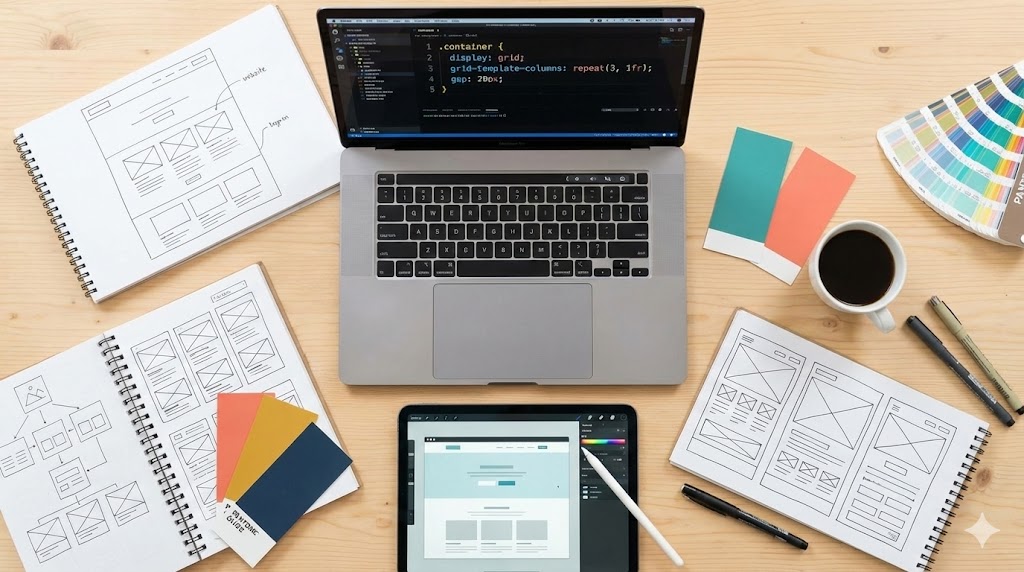
A keynote boldly compared modern frameworks like React to "Rube Goldberg machines built around limitations that no longer exist." The core argument was compelling:
- Browsers in 2025 are powerful: Native features like the View Transitions API and CSS Scroll-Driven Animations are rich, yet often obscured by our framework habits.
- Dependency lists longer than our viewport: Under the guise of productivity, our tools may be limiting imagination, creating a "local maximum" where we keep building the same websites.
- The LLM Trap: As AI models are trained on oceans of React code, the assumption that "every web app must be an SPA" is reinforced, making it harder to create and popularize alternatives.
2. Accessibility: Why Automated Tools Aren't Enough
A session on accessibility sharply highlighted the limits of automated testing.
- False Positives/Negatives: Flagging a decorative image for missing
alttext is easy, but adding unnecessaryaltcan actively harm screen reader users. - Goal Inversion: When passing a Lighthouse audit becomes the goal, we risk missing true accessibility barriers.
- Tools Aren't the Solution: The ultimate fix was argued to be more laws, regulations, and—critically—direct input from people with disabilities throughout the design and build process. Accessibility isn't a "froghurt topping" to be added last; it must be baked in from the start.

3. Practical Implications: What Should Your Team Do?
Based on these insights, here are actionable steps for your development workflow:
- Experiment with "Platform-First" Thinking: Next time you build a small feature, ask: "Can we do this with browser APIs first, before reaching for a framework?"
- Improve Your A11y Checklist: Don't blindly trust automated reports. Incorporate regular manual screen reader testing and peer reviews.
- Rediscover Fun & Meaning in Development: In an atmosphere where tech discussion can become depressingly utilitarian, creative and playful approaches to problem-solving—like the CSS scroll animation demo shown—can be profoundly inspiring.
The conference served as a reminder that the future of web development isn't just about swapping tools, but about recovering our perspective on problems and our creativity. In a time of rapid change, perhaps what we must hold onto is this very spirit of inquiry into the essence of building for the web.